The Most Famous Retired Jerseys
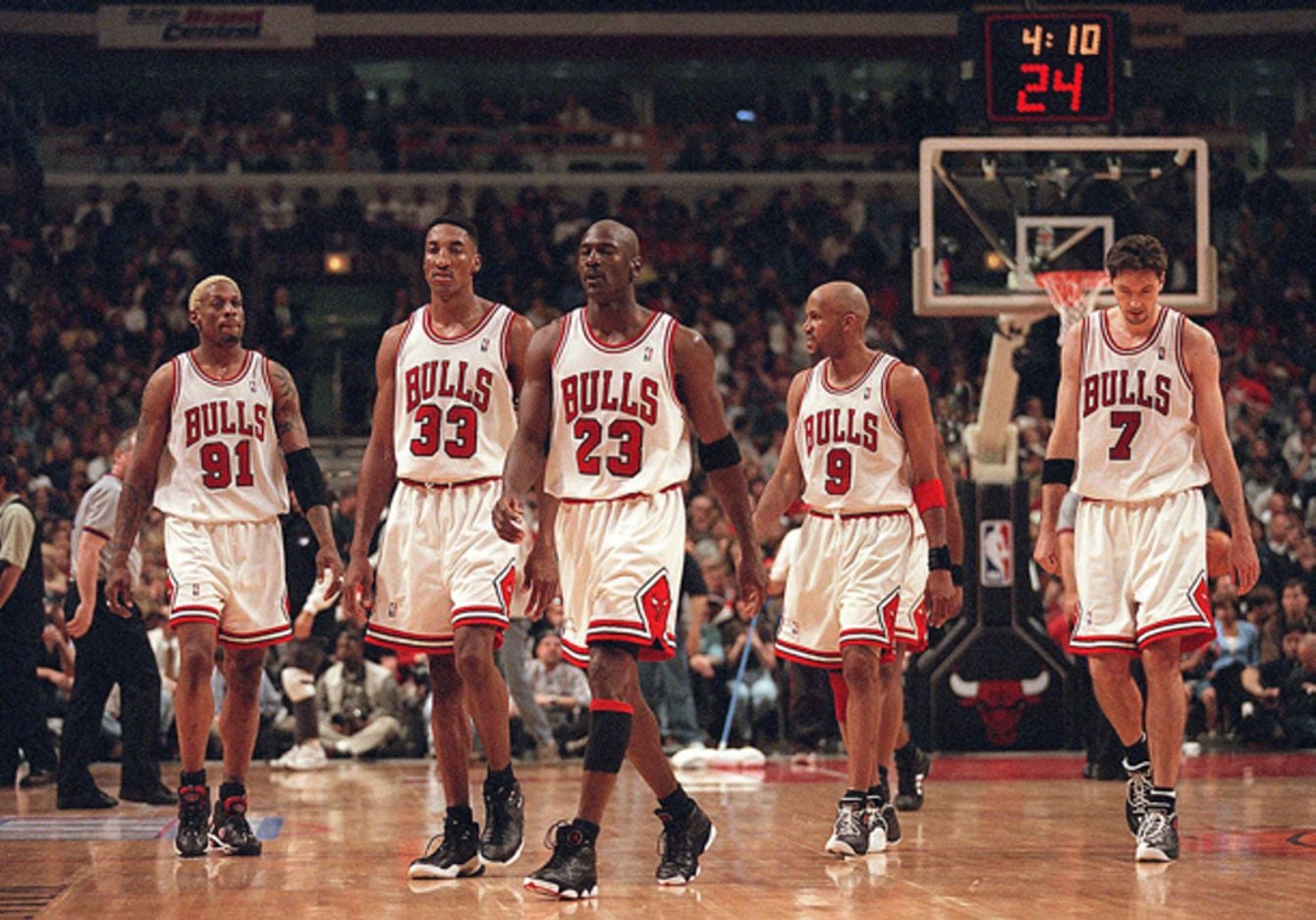
In sports, some numbers stop being just numbers. They go beyond a position on the pitch, or a random allocation. They’re inextricably tied to an individual player, to the legends of the game, whatever that game might be.
The conjuring of these numbers instantly brings a wave of emotion, tied to a collective memory. When a jersey gets retired, it means immortality. And whilst it's fair to say that every single sport has its legends and should be given its due credit, for the sake of brevity, we’ve gathered several examples that have resonated with generations all over the world.
Soccer: Retirement is Rare
Soccer isn’t like many other sports. Retiring a jersey doesn’t often happen, even for the greats. Partly it’s because squads tend to stick to standardized numbers, 1-11. And it’s just not generally part of football culture to do it too frequently. So, when your jersey is retired, it really means something extraordinary.
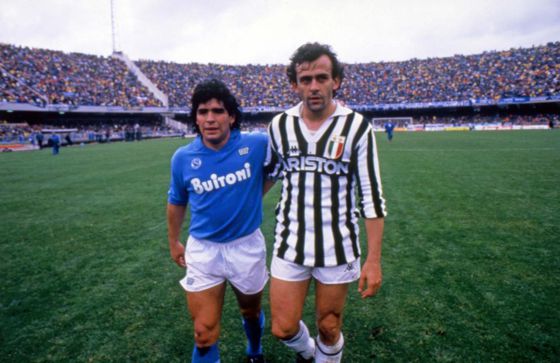
Diego Maradona (Napoli, No. 10)
In Naples, Maradona is revered as a God. In Argentina, it’s D10S. No matter your religious sensitivities, it tells you enough about what Diego means to the people of the Italian city.
He turned Napoli into champions almost single-handedly, in an era when Italian soccer had all the top players. Two Serie A titles, unheard of for a ‘forgotten’ club, are still talked about even by fans who never saw him play. His number 10 is sacred and was retired by the club in 2000.
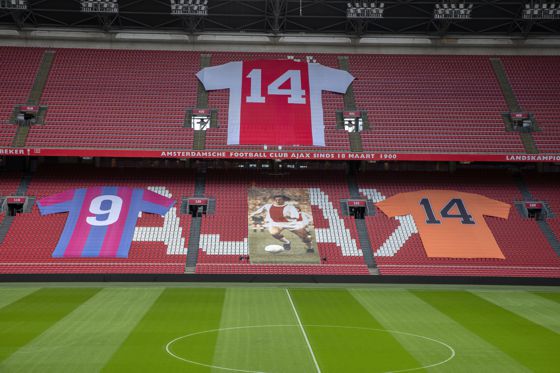
Johan Cruyff (Ajax, No. 14)
Cruyff changed how the game was played, how we think about the game even, and his imprint is still an active part of modern soccer. His cerebral approach anchored the philosophy of Total Soccer and helped both Ajax and the Netherlands become sensations in the 1970s. When you see an orange jersey, in any sport, it’s difficult not to associate it with Holland’s captain.
As a coach, he built the famous Dream Team, the precursor to Messi’s tiki taka, the first Catalan team to win the European Cup. Without his influence, you don’t have Pep Guardiola or the Spanish revolution, leading to a World Cup and three European titles.
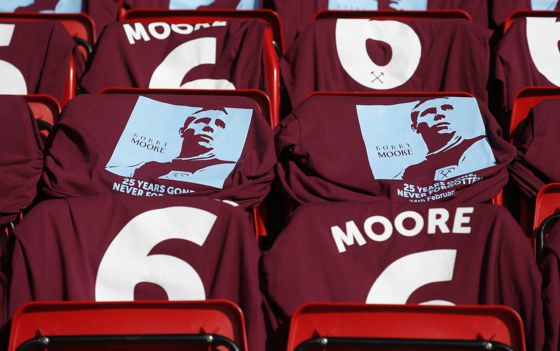
Bobby Moore (West Ham, No. 6)
Even today, West Ham fans dream of the days when Bobby Moore captained the team. He last wore the armband over 50 years ago, back when players still used full cotton jerseys, which tells you a little bit about the London club’s fortune since then. But mostly, it underlines just how much respect fans have for the World Cup-winning skipper.
He was a defensive icon of English soccer, and captured the style of the 1970s, with the famous photo of him and Pelé’s embrace after a quarter-final classic now the stuff of legend. His end was a tragic one, succumbing to illness at a relatively young age at just 51, which perhaps also serves to expand his growing mythology.
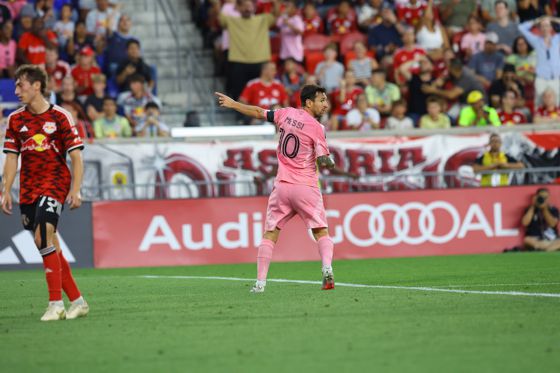
Lionel Messi (Argentina, No. 10)
They said he’d never be as good as D10S or Pele, not without a World Cup. He got as far as the final in 2014, only to falter courtesy of that Mario Gotze goal. But in 2022, the moment arrived, Messi won the big one, finally.
As a result, AFA, the Argentine soccer federation, is doing everything in its power to push forward the retirement of Messi’s famous number 10 shirt.
But FIFA may yet spoil the party, stopping previous attempts and sticking to a strict 1-23 squad numbering rule. Will they make an exception for Leo? Let’s hope we have to wait a while to find out, enjoying his game just a little bit longer.
Basketball: Where Legends Multiply
Contrary to soccer, NBA franchises aren’t strangers to retirement ceremonies. Some players even have their jerseys retired by multiple teams. Still, that doesn’t take away from their legendary status, especially not for these players.
Michael Jordan (Chicago Bulls, No. 23)
To cement the idea we know what we’re talking about, let’s start with the number that’s become a brand: 23. MJ, Air, the Black Cat, or just Mike, he’s not just one of the best players ever, he’s a global icon. His jersey isn’t just for basketball fans, it has become a bona fide fashion item, part of everyday streetwear.
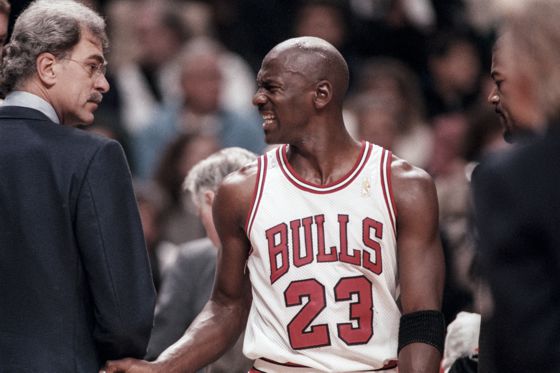
He has six championships, two three-peats, MVPs, scoring titles, DPOY, All-Star, All-NBA, and a college title. He’s done it all! The Bulls retired his number pretty much the moment he stepped off the court, and so did the Miami Heat, not because MJ played for them, but just out of sheer respect.
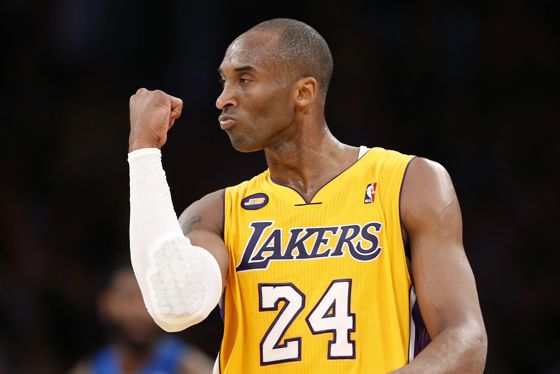
Kobe Bryant (LA Lakers, No. 8 and No. 24)
NBA fans are still mourning Kobe’s untimely and tragic death, yet his legacy does live on. He’s the only player with two numbers retired by a single team. When he was an active player, he wanted to emulate Michael Jordan. In his own way, he went beyond that.
He had his own style, a unique swagger, a relentless desire to succeed and win titles. He infamously fell out with Shaq, but then carried the next generation to more titles. And an MVP.
Baseball: Where It All Began
If there’s a sport that’s grounded in tradition, it’s baseball. It’s America’s pastoral favorite, surpassed by the NFL, but going through a bit of a resurgence of late. Whilst originally imported from Britain, by the late 19th century, it had become a fully developed sport with the official start of the league as we know it today dating to 1901. One of the players on this list was born in the 1800s, but we still remember his greatness.
Lou Gehrig (NY Yankees, No. 4)
Gehrig’s number for the Yankees was the first ever retired in MLB, and he was more than deserving. He was a heavy hitter and ultra durable, known as The Iron Horse, and undoubtedly one of the best to ever do it.
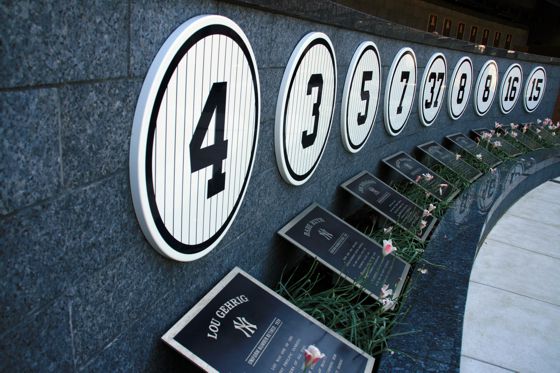
His retirement speech still never fails to bring a tear to those who have heard it, with his “luckiest man on the face of the earth” a true testament to his bravery. He was diagnosed with ALS and died at just 37, but at Yankee Stadium, he’s still remembered there every year
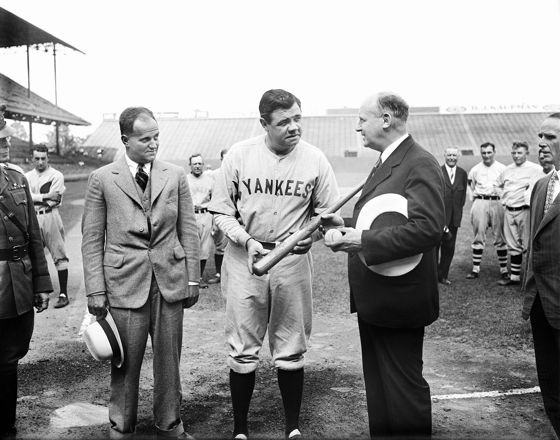
Babe Ruth (NY Yankees, No. 3)
To a lot of people, Babe Ruth is baseball. That old romantic period of MLB, no ads present as they are on the polyester jerseys of today, no modern stadiums, just the purity of the game. Sure, the jerseys were heavy, much as they were lampooned in an epic Seinfeld episode, but boy, did Ruth look good hitting those home runs. At his prime, he was unmatched. He helped shape modern baseball, and at his height as a player, he was one of the most famous Americans alive.
Ruth is the guy who turned baseball from a low-scoring affair to a power-hitting league, with spectacle, personality, and plenty of power. He was an outfielder and a pitcher, won seven World Series, and, beyond the sport, came to symbolize the Roaring 20s. There’s no one quite like Babe Ruth.
NFL: Honor for Hard Knocks
The NFL is a brutal sport, with the average career lasting just 3 seasons. Bodies battered, egos crushed daily, but one where legends are born, too. If an NFL franchise decides to retire your number, those stripes are earned the hard way.
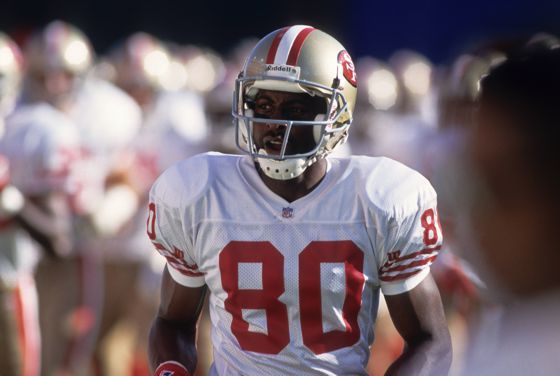
Jerry Rice (San Francisco 49ers, No. 80)
The records still stand, and the reputation only grows with time. The greatest running back ever, with a very strong period. He not only had the talent, but he also coupled it with longevity. 20 seasons at the top level, only QBs tend to hit that milestone.
He was a lynchpin of that 49ers dynasty, with three Super Bowls to show for it. His natural ability was enormous, but only through a brutal work ethic can you deliver year in and year out. His number was retired in 2010, a Niners legend.
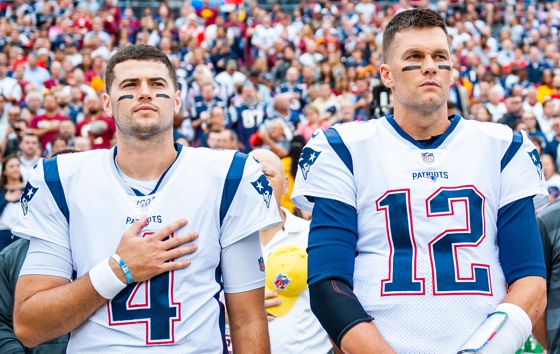
Tom Brady (New England Patriots, No. 12)
Let’s look back at draft night, 2000. With the 199th pick, the New England Patriots didn’t make waves. Tom Brady, from the University of Michigan. Slow, and a little bit pudgy. A prospect, sure, but not much more than that.
Once Bledsoe got injured, the rest is history. Six Super Bowls with the Pats, and another with Tampa Bay. Dynastic rule for over two decades. He’s the GOAT, the most clutch performer the NFL has ever seen. His number 12 will never be worn by another New England Patriot again.
NHL: Legends on the Ice
The NHL has over 130 retired jerseys up on the rafters, with one that’s league-wide. And one team even retired a number in honor of their diehard fans. But if you want to talk about legends on the ice exclusively, here are two that sit atop the list.
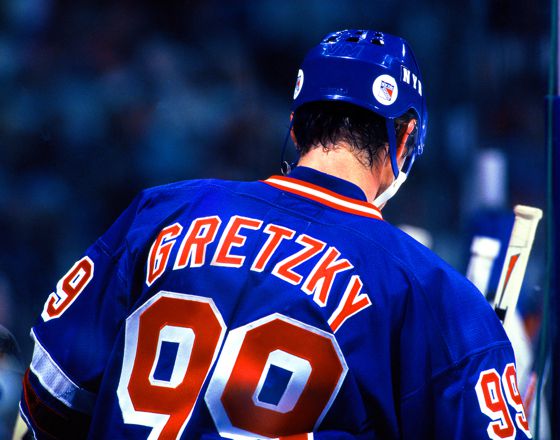
Wayne Gretzky (Everywhere, No. 99)
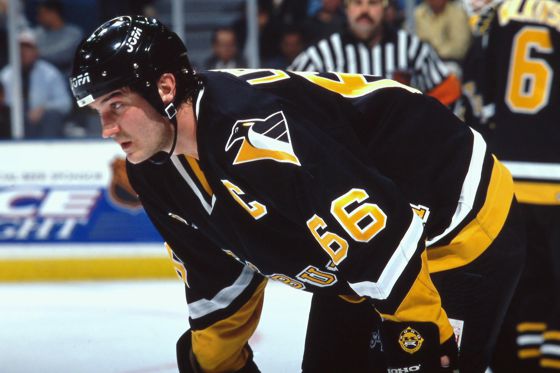
Mario Lemieux ((Pittsburgh Penguins, No. 66)
Some call Gretzky the GOAT, but Super Mario (as he is known by fans) is the true pure talent of the two. He had the size, the skill, and seemingly full control of everything happening on the ice. A unique combination of qualities, that was sadly hampered by injuries during his tenure.
Yet he still put together a Hall of Fame career, putting up some incredible numbers when fully fit. He led the Penguins to two Stanley Cups, and the team promptly retired his jersey in 1997. After 44 months, they’d have to unretire it, with Lemieux making a comeback in 2000, when he made his comeback to the NHL and posted 3 points in a 5-0 win against Toronto.
Jerseys: Beyond Money and Fame
When the millions of dollars run out, when the body no longer works as it used to, legends are left with something more valuable. Being remembered, having a jersey up on the rafters that carries their achievements in sports history, forever.
Image credits Title image: IMAGO / Newscom World; Image 2: Wikimedia / Wikipedia; Image 3: IMAGO / Depositphotos; Image 4: IMAGO / Newscom World; Image 5: IMAGO / NurPhoto; Image 6: IMAGO / PCN Photography; Image 7: IMAGO / Depositphotos; Image 8: IMAGO / Dreamstime; Image 9: IMAGO / glasshouseimages; Image 10: IMAGO / PCN Photography; Image 11: Wikimedia / Wikipedia; Image 12: IMAGO / Dreamstime; Image 13: IMAGO / Dreamstime